Amalfi Coast: Italy's UNESCO Gem & Mediterranean Masterpiece
Nestled in the heart of Southern Italy, overlooking the cerulean expanse of the Tyrrhenian Sea and the Gulf of Salerno, lies a destination that consistently captures the world's imagination: the Amalfi Coast. Known to many as the
Costiera Amalfitana or, for those exploring its beauty from abroad, the captivating
Amalfikust, this stretch of Campania's coastline is far more than just a picturesque region. It is a UNESCO World Heritage site, a testament to humanity's ability to create breathtaking beauty in harmony with nature's grandeur, and an outstanding example of a Mediterranean landscape that has enchanted travelers for centuries.
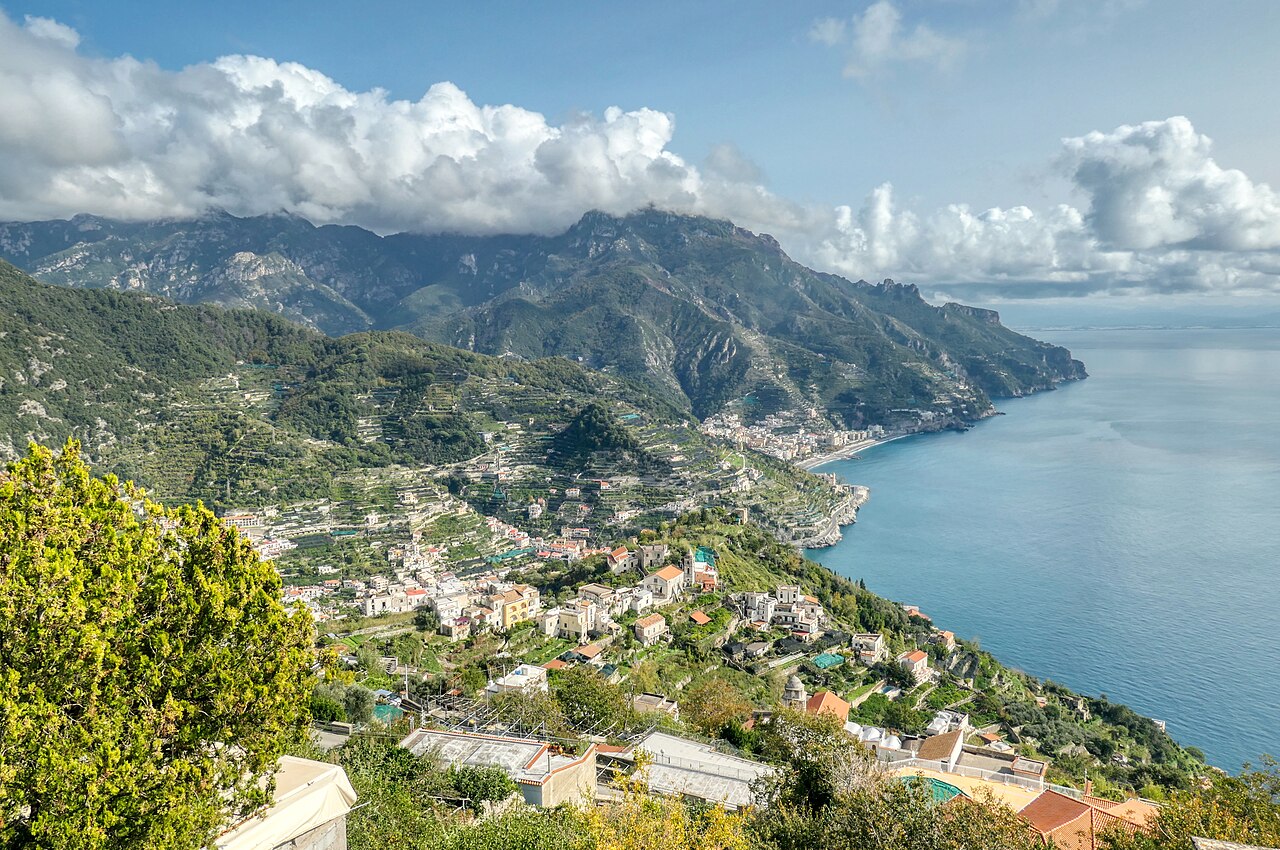
From the moment you arrive, the Amalfi Coast reveals itself as a dramatic symphony of towering cliffs, verdant terraced vineyards, and pastel-hued villages that cling precariously to the mountainsides. This nail-biting vertical scene, where mountains plunge directly into the shimmering sea, is punctuated by fragrant lemon groves and the constant whisper of waves. It's a place where every turn in the road unveils a new, postcard-perfect vista, compelling visitors from all walks of life to return again and again to experience its timeless charm and effortless glamour.
A Rich Tapestry: History Woven into the Amalfikust Landscape
The allure of the Amalfi Coast isn't merely aesthetic; it's steeped in a rich and fascinating history that dates back millennia. While its modern fame rests on its scenic beauty and status as a luxury destination, its past tells a story of formidable maritime power and cultural significance.
During the 10th and 11th centuries, long before its current reputation as Italy's most glamorous coastline, the Amalfi Coast was home to the powerful Duchy of Amalfi. Centred in the eponymous town of Amalfi, this independent maritime republic was a formidable force, rivalling Venice, Genoa, and Pisa in its mercantile prowess. Amalfi's traders established vital commercial links across the Mediterranean, pioneering maritime law and introducing innovations that had a lasting impact on European commerce. The legacy of this golden age is still visible in the town's stunning Duomo di Sant'Andrea, with its imposing staircase and Arabian-Norman architecture, standing as a proud monument to a glorious past.
However, the Duchy's fortunes eventually waned. After a period of control by the Principality of Salerno, Amalfi suffered a devastating blow in 1137 when it was sacked by the Republic of Pisa, marking the end of its prominence. Despite this, the spirit of ingenuity and resilience that defined the ancient Amalfitans continues to permeate the region, evident in the ingenious terraced farming systems and the intricate network of paths that connect its cliff-hugging communities. This deep historical foundation adds another layer of depth to the visitor's experience of the Amalfikust.
Navigating the Vertical Splendor: Exploring the Amalfi Coast
The unique topography of the Amalfi Coast, characterized by its relatively steep southern shore of the Sorrentine Peninsula, leaves little room for expansive development, shaping both its challenging accessibility and its untouched beauty. The primary artery connecting its thirteen municipalities is the legendary Amalfi Drive (Strada Statale 163), a breathtaking 40-kilometer (25-mile) coastal road that winds from Vietri sul Mare in the east to Positano in the west. This engineering marvel offers unparalleled views but demands a slow pace and steady nerves, making the journey an integral part of the experience itself. For those seeking adventure and stunning panoramas, a trip along this road is highly recommended; dive deeper into the experience with our detailed guide:
Amalfi Coast Drive: Journey Through Italy's Breathtaking Coastal Scenery.
While driving offers freedom, navigating the narrow, winding roads can be daunting, especially during peak season. Alternative transportation methods are popular:
- SITA Buses: An extensive, affordable bus network connects all major towns, offering stunning views without the stress of driving.
- Ferries & Hydrofoils: A fantastic way to hop between towns, avoiding traffic and providing unique sea-level perspectives of the coastline. Services connect towns like Amalfi, Positano, Ravello (via Minori), and Salerno.
- Scooter Rental: For the adventurous, renting a scooter offers flexibility and an exhilarating way to explore.
- Private Drivers: For ultimate comfort and convenience, private transfers are readily available.
The region enjoys a classic Mediterranean climate, boasting warm, sun-drenched summers and mild winters, making it an ideal destination almost year-round. While summer (June-August) is vibrant, the shoulder seasons (April-May and September-October) offer pleasant weather, fewer crowds, and equally captivating beauty.
The Jewels of the Amalfikust: Towns to Discover
Each town along the Amalfi Coast possesses its own distinct character, inviting exploration and promising unique memories.
*
Amalfi: The historical heart, once a mighty maritime republic. Explore the stunning Duomo, wander through the quaint Piazza Flavio Gioia, and delve into its rich past at the Museo della Carta (Museum of Handmade Paper).
*
Positano: Arguably the most iconic, with its pastel-coloured houses cascading down to the sea. Famous for its fashion boutiques, lively beaches, and vibrant nightlife, Positano embodies the "effortless glamour" of the coast. For more on its captivating allure, read:
Experience the Glamour of Amalfi Coast: Italy's Stunning Cliffside Escape.
*
Ravello: Perched high above the coastline, Ravello is known for its spectacular gardens and panoramic views. Villa Rufolo and Villa Cimbrone offer breathtaking vistas, making it a haven for artists, musicians, and romantics. It hosts a renowned music festival annually.
*
Vietri sul Mare: Often considered the eastern gateway to the Amalfikust, Vietri is celebrated for its vibrant ceramic tradition. Colourful pottery adorns shops and buildings, making it a perfect spot for unique souvenirs. It's proudly marketed as one of "I Borghi più belli d'Italia" ("The most beautiful villages of Italy").
*
Atrani: The smallest municipality in Southern Italy, Atrani is a charming, unspoiled fishing village, just a short walk from Amalfi. Its peaceful piazza and traditional atmosphere offer a delightful contrast to the bustling larger towns. It also holds the distinction of being one of "I Borghi più belli d'Italia."
*
Praiano: Nestled between Amalfi and Positano, Praiano offers a slightly more subdued atmosphere with stunning sunset views and beautiful hidden coves, perfect for those seeking tranquility.
*
Maiori & Minori: These two towns offer some of the largest beaches on the coast, making them popular family destinations. Minori is also famous for its Roman Villa and delicious pastry shops.
Beyond the Postcards: Immersive Experiences on the Amalfikust
The Amalfi Coast is not just a feast for the eyes; it's a sensory experience that engages all your senses.
*
Culinary Delights: Indulge in the region's renowned cuisine, fresh seafood, local limoncello made from the fragrant Sfusato Amalfitano lemons, and traditional pastries. Take a cooking class to learn the secrets of Campania's gastronomic heritage.
*
Hiking Trails: Explore the "Path of the Gods" (Sentiero degli Dei), a spectacular clifftop trail offering unparalleled views and a unique perspective of the vertical landscape.
*
Boat Tours: Discover hidden grottoes, pristine beaches, and the magic of the coastline from the sea. Boat trips to Capri, Ischia, or simply around the local coves are highly recommended.
*
Ceramic Shopping: In Vietri sul Mare, find exquisite, hand-painted ceramics that make perfect gifts and mementos.
*
Lemon Groves: Wander through terraced lemon groves and learn about the cultivation of the famous Amalfi lemons.
In conclusion, the Amalfi Coast, or
Amalfikust, is a destination that transcends typical travel experiences. It's a place where history, culture, and nature converge to create an unparalleled masterpiece. From its dramatic cliffs and UNESCO-protected status to its charming villages and delectable cuisine, every aspect of this Italian gem beckons you to explore, relax, and fall in love with its timeless beauty. It's a journey into a world where every view is a work of art, and every moment is infused with the magic of the Mediterranean.